

»Faster, Baby, faster – this is journalism!«
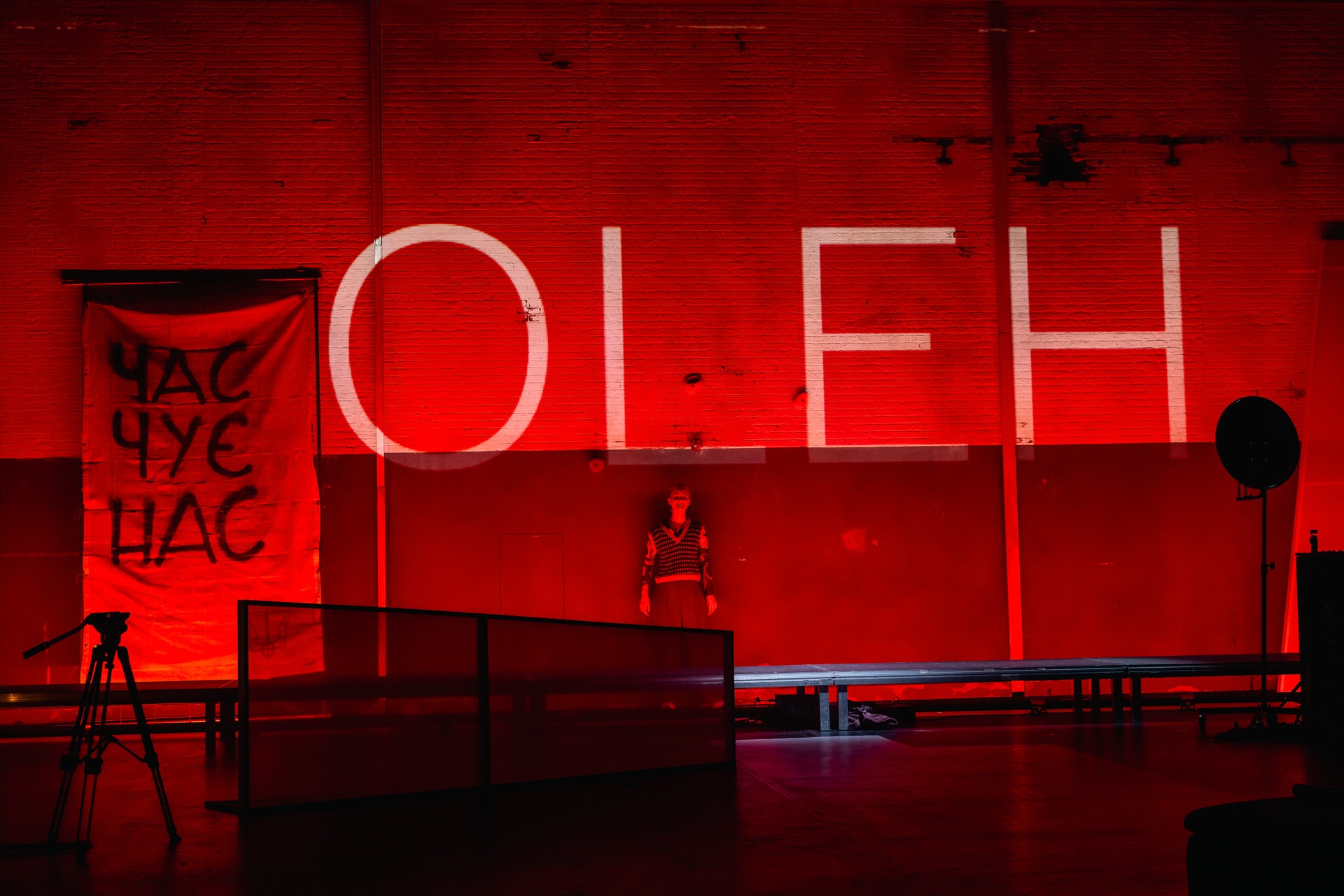
They guide journalists through war zones, arrange contacts and take responsibility in life-threatening situations: fixers shape our perception of the war in Ukraine, yet they usually remain out of sight. »Making the Story« by Futur3 tells their story. Read more here about the production and an interview with the theatre makers André Erlen and Stefan H. Kraft.
– 27 July 2026
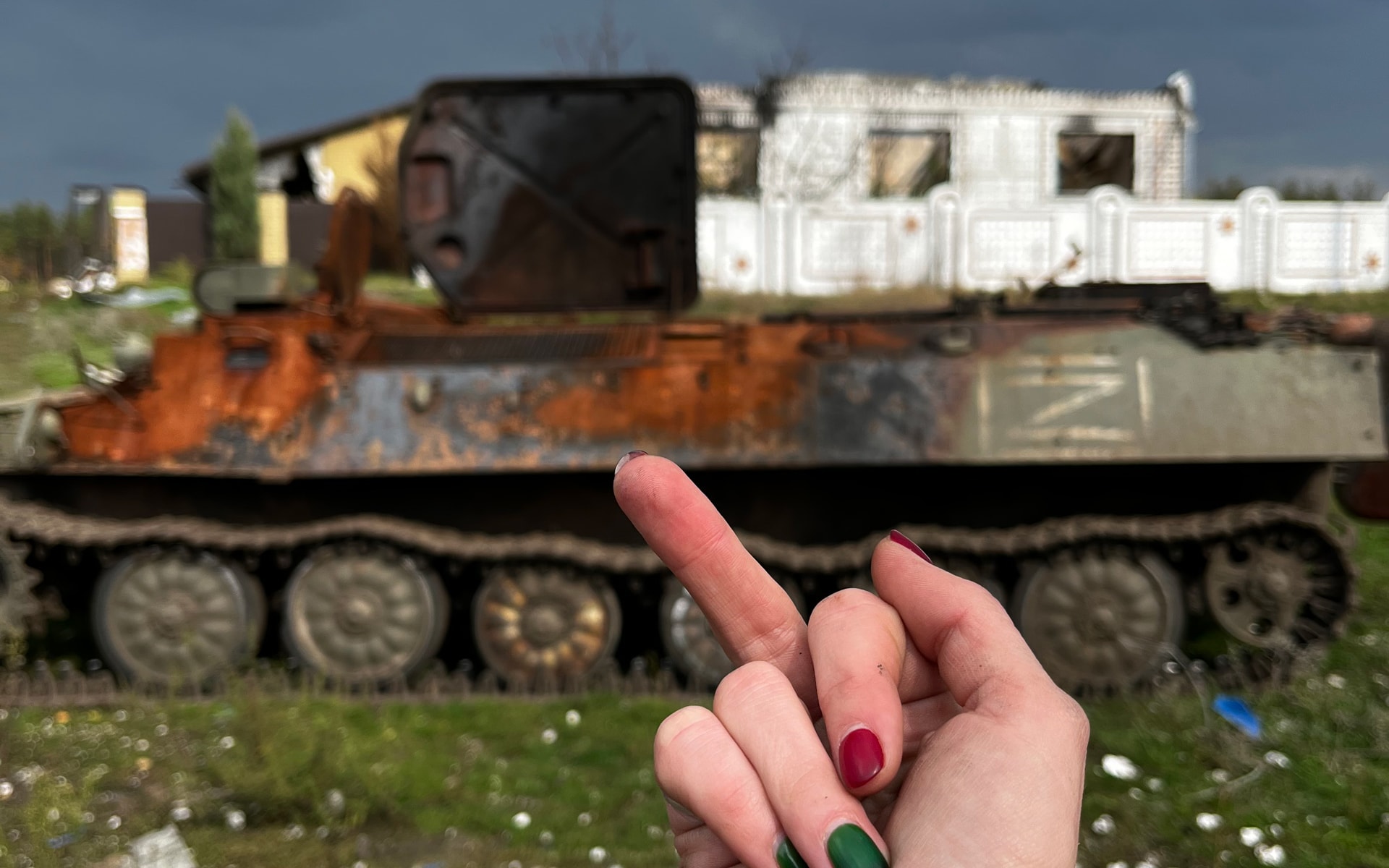
So-called fixers act as the link between the international press and the Ukrainian population. For example, they organise travel arrangements for media professionals and assess the security situation in the relevant areas. They are also familiar with Ukrainian cultural norms, establish contact with those affected by the conflict and interpret conversations. They usually speak good English and have a well-stocked address book. In their work, they are constantly navigating a conflict of interest between the agenda of international media professionals and the concerns of the people they are interviewing. Those affected trust the fixers; it is vital not to squander this trust.
In the war in Ukraine, it is the fixers who make it possible for the media to report on the conflict in the first place. Their knowledge of the language and the local area is indispensable for international journalism amidst the chaos of war. Yet they often work alone and under precarious conditions. When it comes to giving their work visibility within newsrooms, conflicts frequently arise. As a rule, fixers are not trained journalists, yet they see themselves not merely as local assistants, but rather as »producers«. After all, they play a key role in the creation of a story that is later broadcast to the world. When the journalists leave the theatre of war and receive recognition at home for their courageous reporting, the fixers remain behind in Ukraine – with their stress, their experiences and their traumas.
What drives them to take on their next job, despite their dangerous frontline experiences? What motivates them? And what impact does coming face to face with death and violence have on them? In April 2024, Futur3 travelled to Ukraine on a research trip to find out exactly that. They met people who, full of energy and sometimes with a touch of black humour, are defying the radical upheavals in their lives. Take Rita, for example, who used to be an actress, worked as a fixer for many years and has now been mobilised as a soldier. Her dog, Bells, can be seen in many of the images from Bucha that have been seared into our memories. Or Marichka, who gave up her secure job at a bank and has been involved since 2014. Some of their stories are funny and absurd; others recount sexual and psychological abuse. »Making the Story« also tells the story of Konstantyn, who ran a successful YouTube channel before the war and now knows how to use his fame to his advantage in his work as a fixer, or Oksana, who, amongst other things, an actress and manager at a techno club, who now copes with the stress through overeating and antidepressants, and wonders why there’s never any room in the news coverage for the stories of the victims’ pets.
The development of the piece was based not only on interviews with fixers, but also with journalists. They share a special bond, yet at the same time have different perspectives on the production and presentation of stories. This is particularly evident in the US, where a family is suing the TV channel Fox News. Their daughter, Sasha Kuvshynova, accompanied the team as a fixer in Ukraine. Despite a negative security assessment, they travelled to an area near Irpin and were struck by a Russian missile. Sasha and the cameraman were killed. The journalist lost both his legs and returned to the US, where a bitter dispute over the »true« account of the incident is now raging.
Drawing on first-hand accounts, Futur3 explores a professional field that often goes unreported in the media, examining issues relating to work ethic, safety considerations, recognition and post-colonial structures in war.
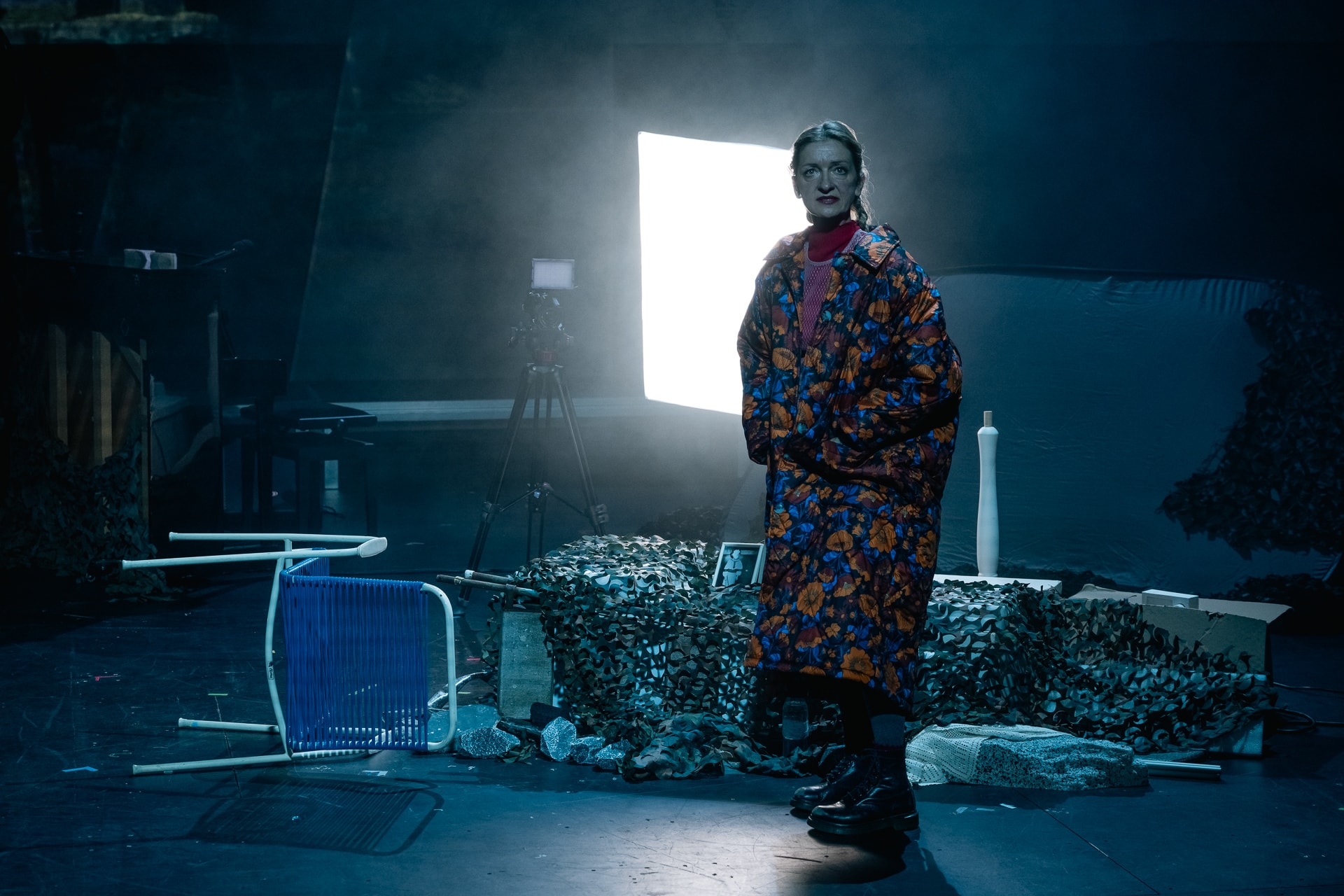
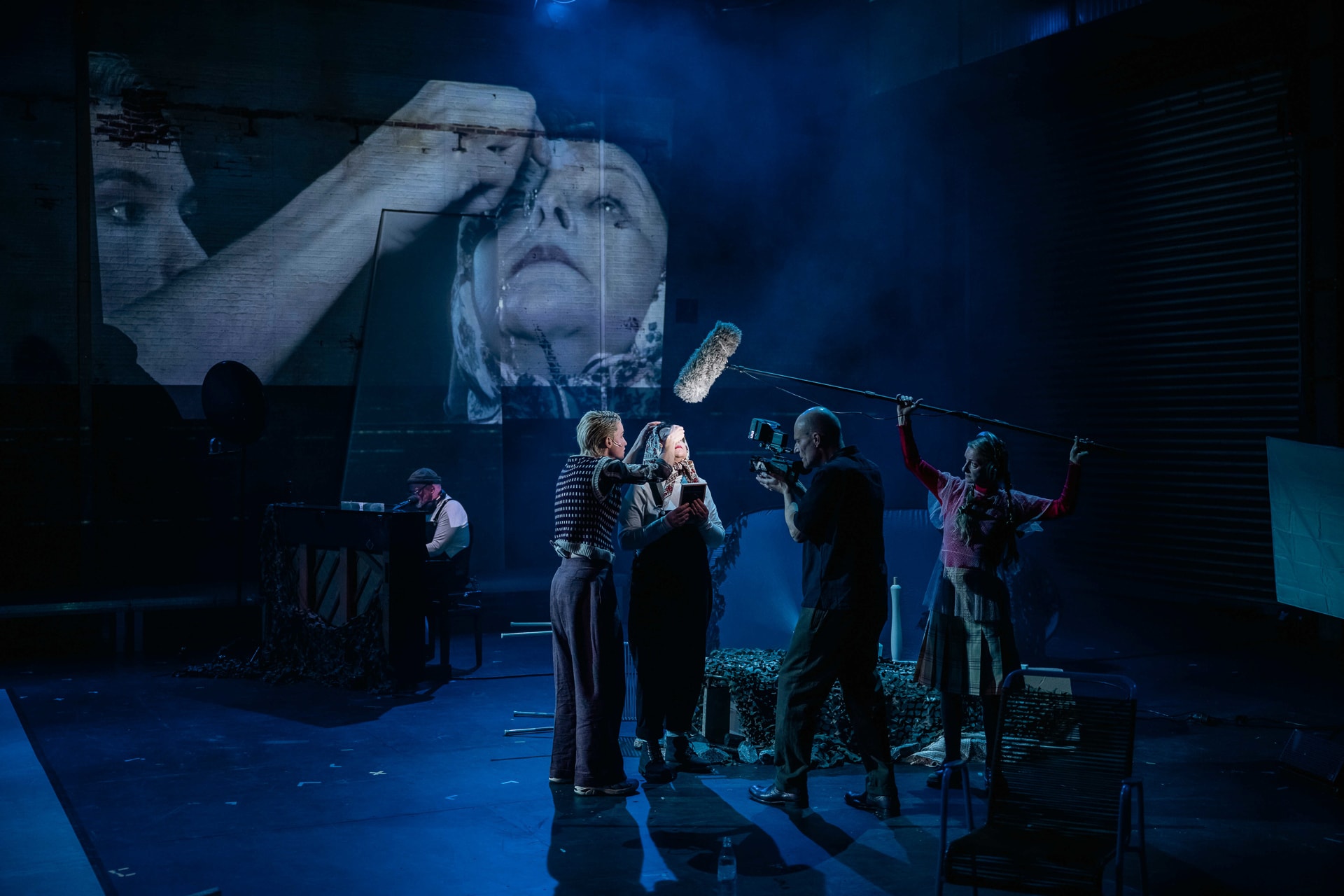
Five questions for André Erlen and Stefan H. Kraft from Futur3:
What personally motivated you to dedicate a theatre project to fixers – an often invisible but essential profession in war reporting?
Futur3: In many conversations, we witnessed how our Ukrainian theatre colleagues were suddenly thrown into the unimaginable situation of this war, and how they reacted to it. Some joined the army straight away, some fled the war, and some became fixers. The scale of these decisions moved and fascinated us deeply! It very quickly became clear to us: we simply HAD to create a play about this.
How did your research trip to Ukraine and your discussions with fixers and journalists change your perspective on responsibility, risk and ethics in storytelling?
Futur3: As we carried out our research, it became increasingly clear to us that in such an existential situation, everything that isn’t essential gradually falls by the wayside, and it is precisely these fundamental questions that take centre stage in all our actions. This is what struck us so deeply during our meetings with the fixers we interviewed in Ukraine in April 2024: they are absolutely determined that this war should be reported on! The world needs to know what is happening there, and with what ruthlessness and brutality Russia is waging this war. The media want hard-hitting and moving stories about it – and the fixers find themselves caught between the interests of the journalists and the international media, and those of their fellow countrymen and women. How far should I push the mother of a child killed in the war to open up? To tell this story over and over again? To look at a photo of her child in front of the camera? How far should I persuade her – or perhaps even put pressure on her? These are fundamental ethical questions – but also the big questions about the quality and integrity of journalism. And this tension is incredibly intense.
The play also explores the sometimes tense relationship between journalists and fixers. What dramaturgical decisions did you make to bring these different perspectives to the fore?
Futur3: We spoke to five journalists – from The Guardian, WDR, French TV channels and a freelancer – all of whom upheld very high ethical and journalistic standards; that was impressive. However, we also heard stories about utterly cynical and repulsive behaviour on the part of journalists. The fact is: most of them (not all!) go home afterwards, to the safety of London, Cologne or Paris – whilst the fixers remain in the war zone. We have tried to show that these are two different worlds.
The real-life case of a Ukrainian drug dealer who was killed – which is currently having legal repercussions in the US – raises questions of guilt, security and post-colonial structures. How do such current political dimensions find their way into your production without oversimplifying the issue?
Futur3: That is the difficult, beautiful and immense task of theatre. To do this, you have to get »under the skin« of a complex phenomenon and identify patterns that you couldn’t explore in the same way in an essay. And then, through the many layers of meaning that we can explore simultaneously, reveal a kind of deeper truth. To achieve this, we have also employed quite strong theatrical devices in this particular case.
The production uses surtitles in Ukrainian and English and collaborates internationally. What role does multilingualism – including in a figurative sense – play in the aesthetic and political impact of the play?
Futur3: The whole working context of the Fixer is entirely international, as media from all over the world are reporting from Ukraine. And we’ve just received an invitation to a festival in Prague. This is not just a Ukrainian issue; it concerns us all! Just like the other wars in the world. The war in Ukraine affects us at Futur3 particularly deeply because we had already been working with Ukrainian artists before 2014 – that is, before the occupation of Crimea – and remain in constant contact with them.
The interview was conducted by Ines Langel from the Orangerie Theatre in Cologne.
– – –
The asphalt Festival 2026 will stage »Making the Story« on 29 July in asphalt Halle_12 on the site of the Alte Farbwerke.